
Welcome to Lima: Peru’s Coastal Capital and Gateway to the Andes
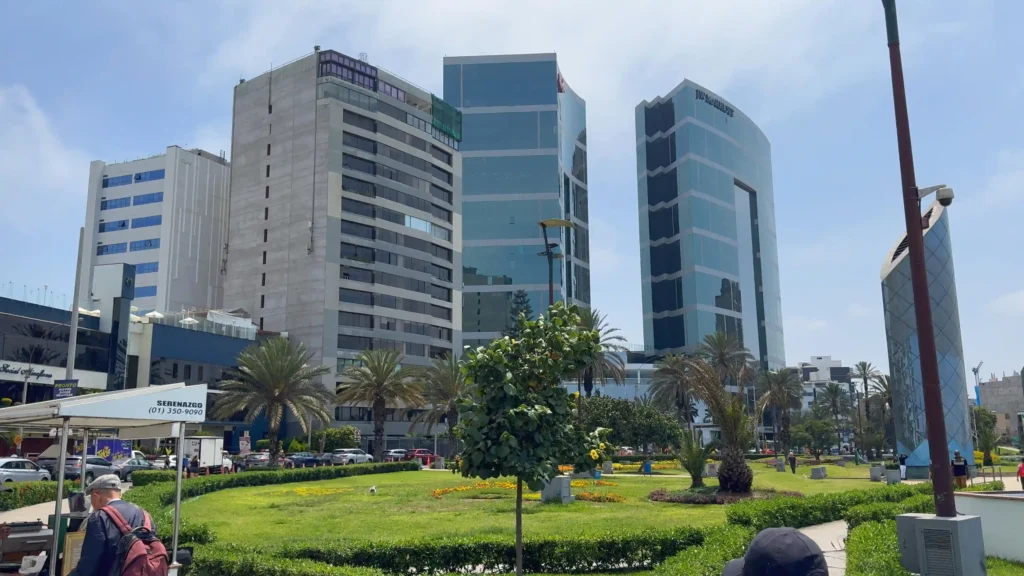
Lima is a city of contrasts and intensity: a sprawling capital of more than 10 million people, stretching between the Pacific Ocean and the edge of the Peruvian desert. It’s a destination of world-class gastronomy, colonial history, buzzing neighborhoods like Miraflores, San Isidro, and Barranco, and an essential gateway for travelers headed to Cusco and Machu Picchu, Arequipa, Iquitos, the Nazca Lines and beyond.
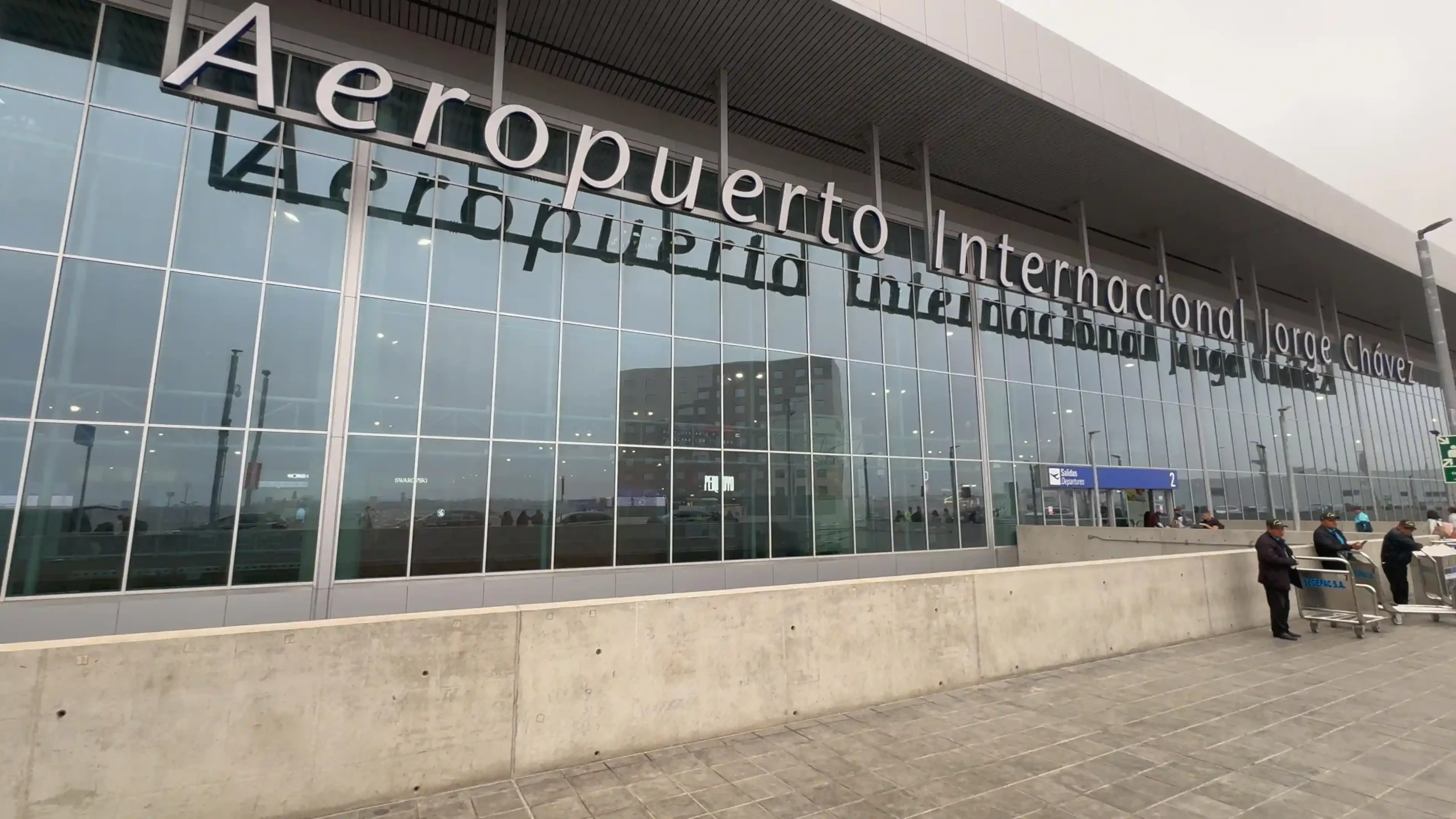
For years, however, one thing lagged behind Peru’s global tourism boom: the airport. Jorge Chávez International was often overcrowded, outdated, and unable to keep up with Peru’s rapidly growing visitor numbers. That’s why the opening of the new Lima airport is such a milestone — not only for Lima, but for everyone traveling in South America.



Lima’s New Airport: A New Era for Peruvian Travel
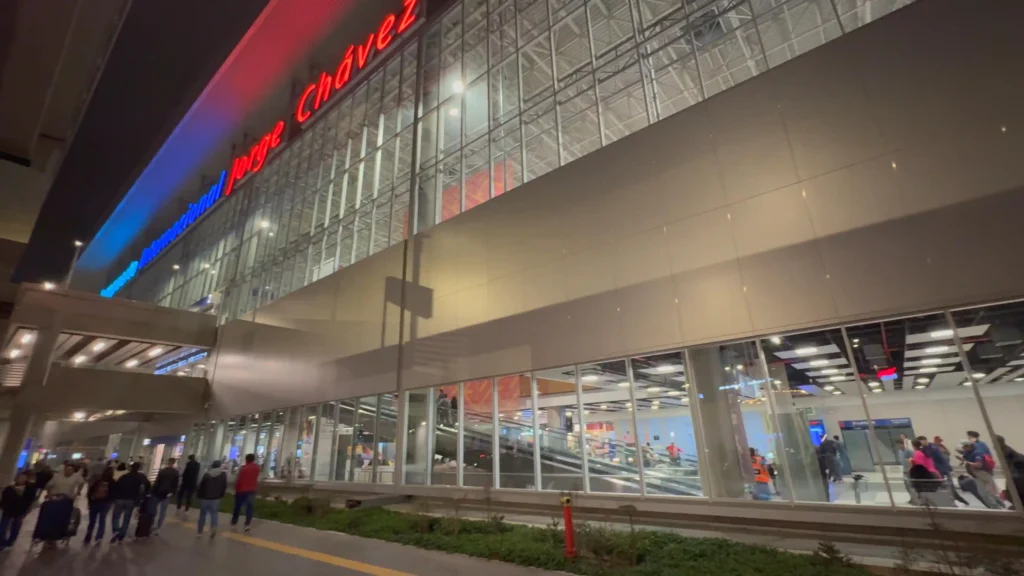
Lima has officially opened its new terminal at Jorge Chávez International Airport (LIM), marking one of the most ambitious aviation upgrades in the history of Peru. Designed to transform Lima into a major hub between South America, North America, and Europe, the project is only the beginning. The long-term vision is even bigger: a futuristic Lima Airport City with convention centers, luxury hotels, shopping districts, office spaces, and a powerful logistics hub that could rival the region’s most strategic cargo and business gateways.
But the road to get here? A uniquely Peruvian saga.
For years, coordination between the public sector and Lima Airport Partners (LAP) has been, at best, complicated and, at worst, chaotic. The country found itself in the bizarre situation of planning and building a brand-new airport terminal without proper access roads. Even more surreal: Lima’s future metro line was originally designed to connect to the old terminal, not the new one. To keep the opening on track, provisional bridges and temporary access routes had to be built just so passengers could reach an airport that was technically ready — but not fully reachable.
The good news? The long-term transportation strategy is finally taking shape. In the coming years, a new highway connection with direct access to Costa Verde is expected to dramatically reduce travel times to and from Miraflores, San Isidro, Barranco, and the historic center. If executed well, it could turn one of Lima’s most notorious travel headaches into a surprisingly smooth airport transfer.
As it stands today, the new terminal already brings major improvements:
🛫 A larger, brighter departures hall with modern check-in and security
🍽 New restaurants and retail spaces featuring Peruvian flavors and brands
💼 Expanded lounges and more comfortable gates for long-haul travel
🛄 Faster arrivals and baggage claim flow
🔗 And in the future: direct integration with airport city hotels, business centers, and logistics facilities
For travelers heading to Lima, Cusco, Machu Picchu, Arequipa, Trujillo, Iquitos, or connecting across the region, this is a milestone moment. Peru finally has an airport that reflects its importance as a cultural, tourism, and business destination — even if the path to get here has been anything but simple.
This guide takes you inside Lima’s new airport terminal, including:
🏢 A walk-through of check-in, security, dining, lounges, and gates
🚖 Updated transport options — and what will improve soon
💡 Travel tips and answers to the most common questions
🌆 A look at the future Lima Airport City project
Welcome to Peru’s new gateway to the world — chaotic in the making, ambitious in its vision, and full of potential for the future of South American travel.


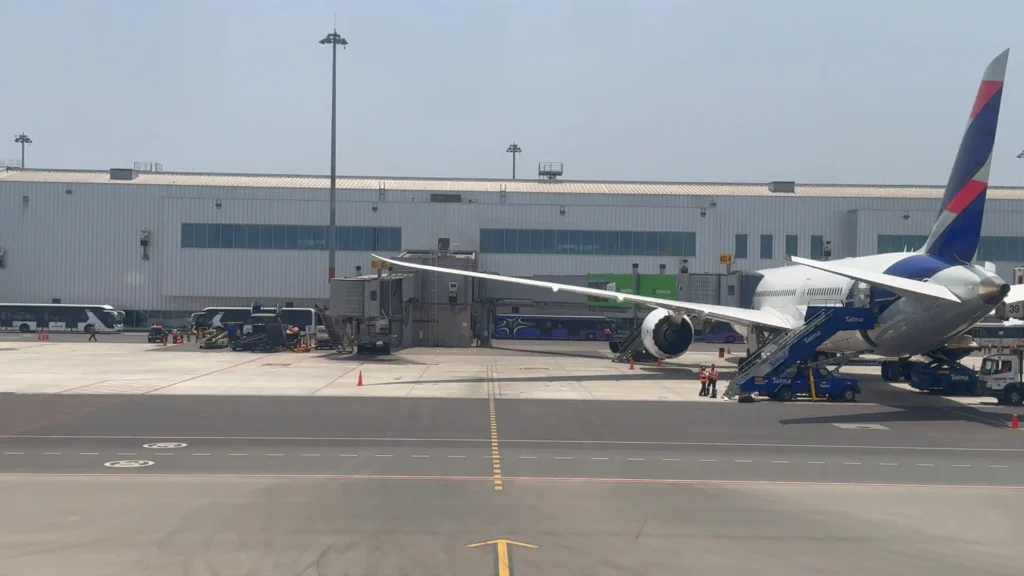
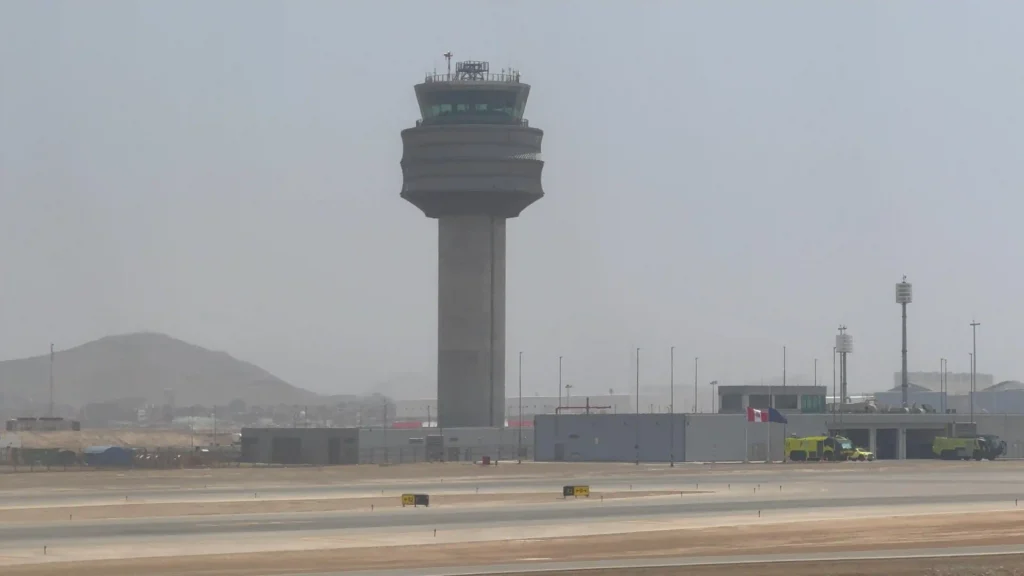
Inside Lima’s New Airport
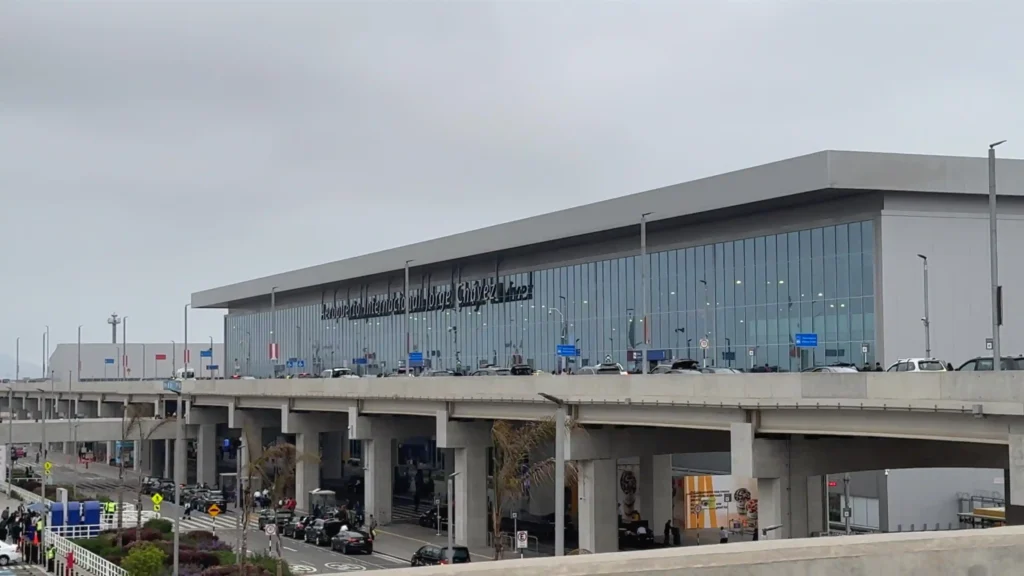
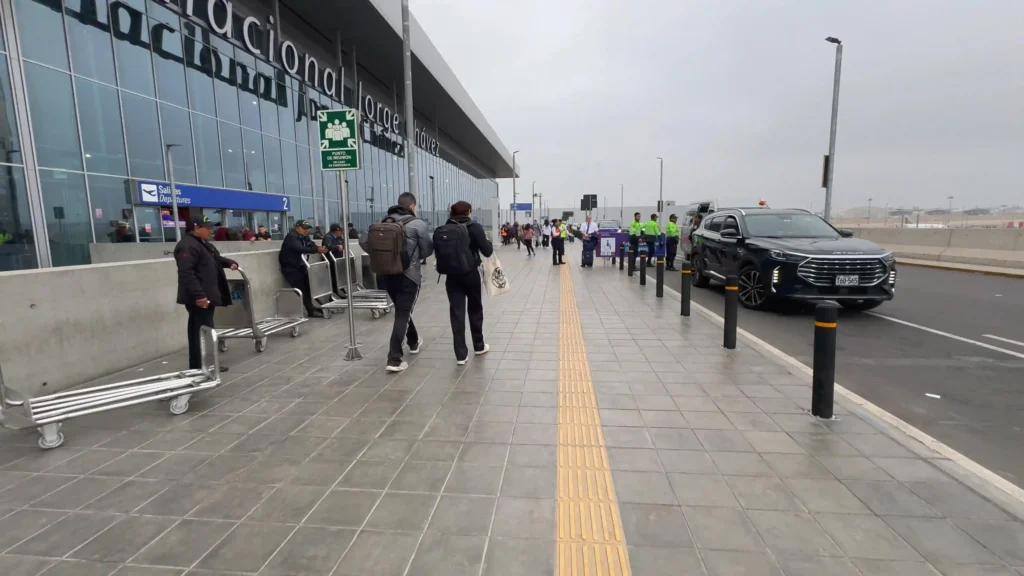
The new terminal at Jorge Chávez International Airport isn’t just larger — it finally feels like an airport built for a capital city of 10+ million people and a world-class tourism gateway. Here’s a guided walk through the passenger experience, from check-in to baggage claim.
Check-In & Departures Hall
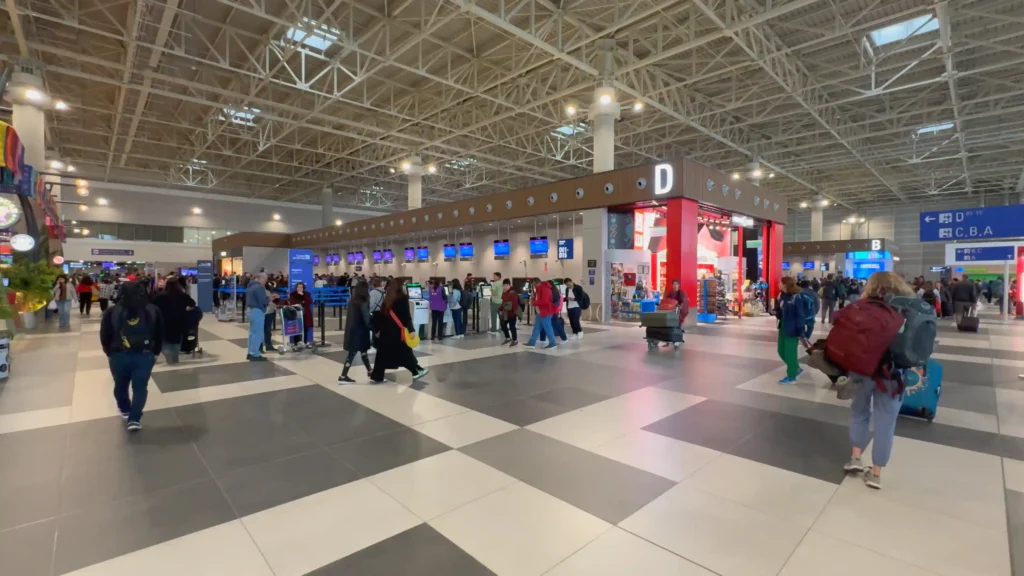
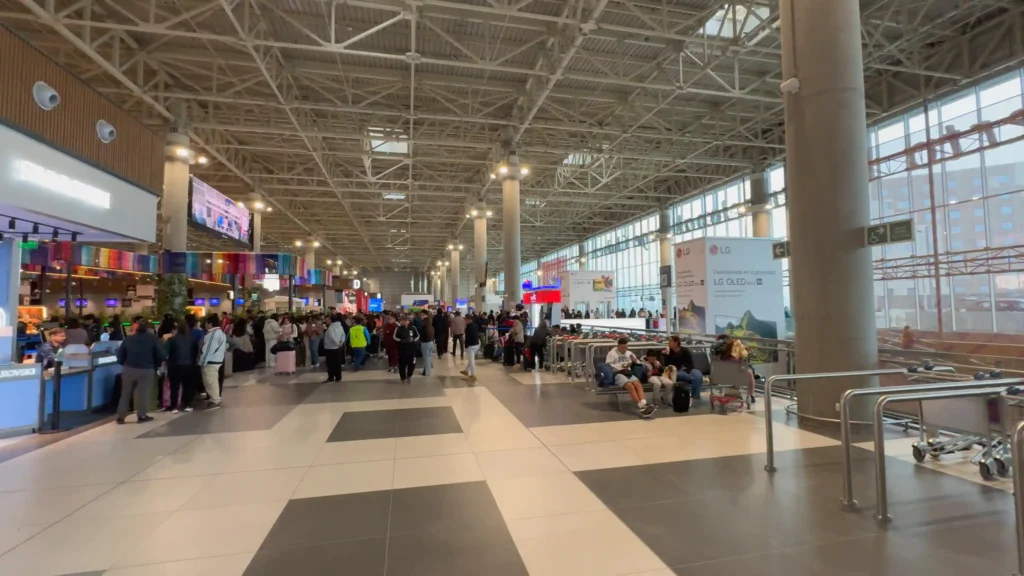
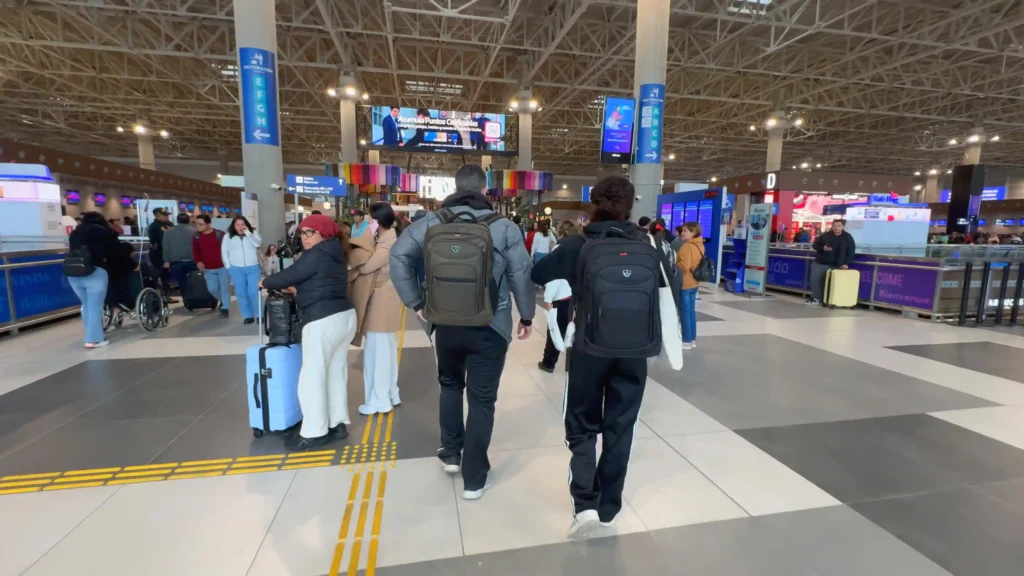
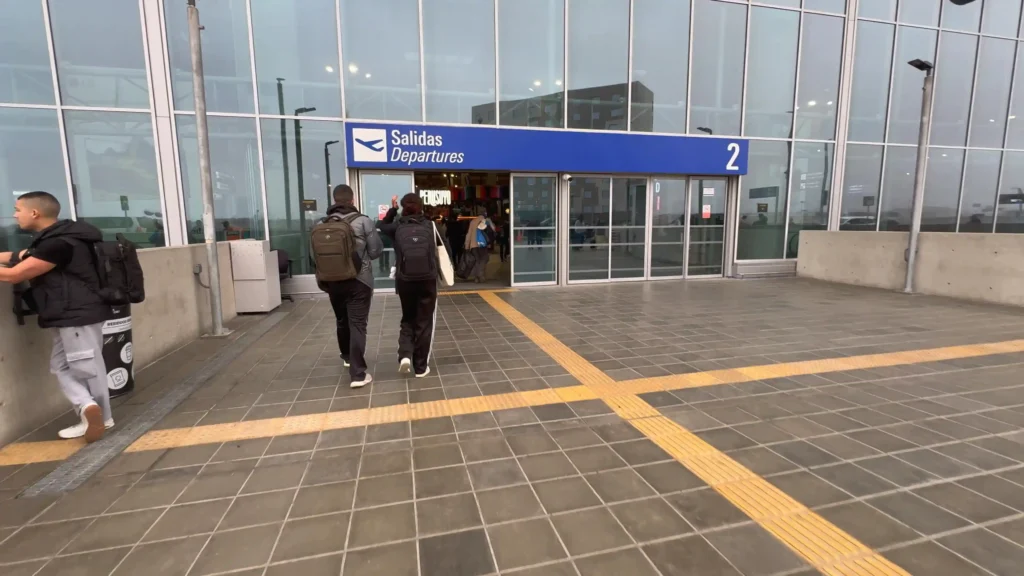
The moment you enter, the difference is immediate: high ceilings, natural light, and a much more spacious check-in area than the old terminal ever offered. Self-service kiosks speed up the process, while staffed desks serve travelers who need assistance.
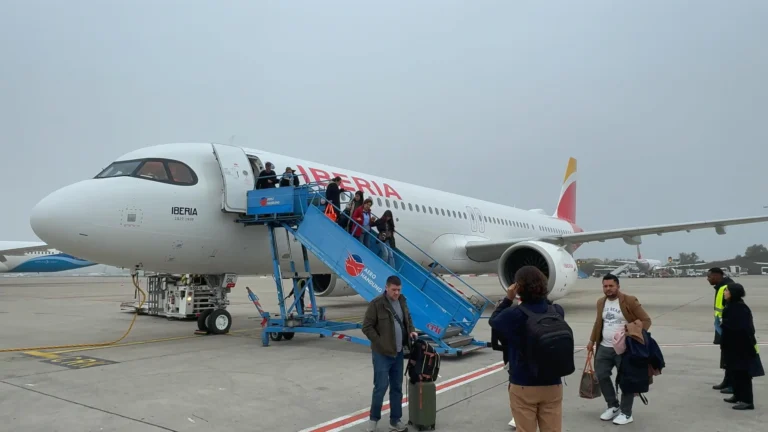
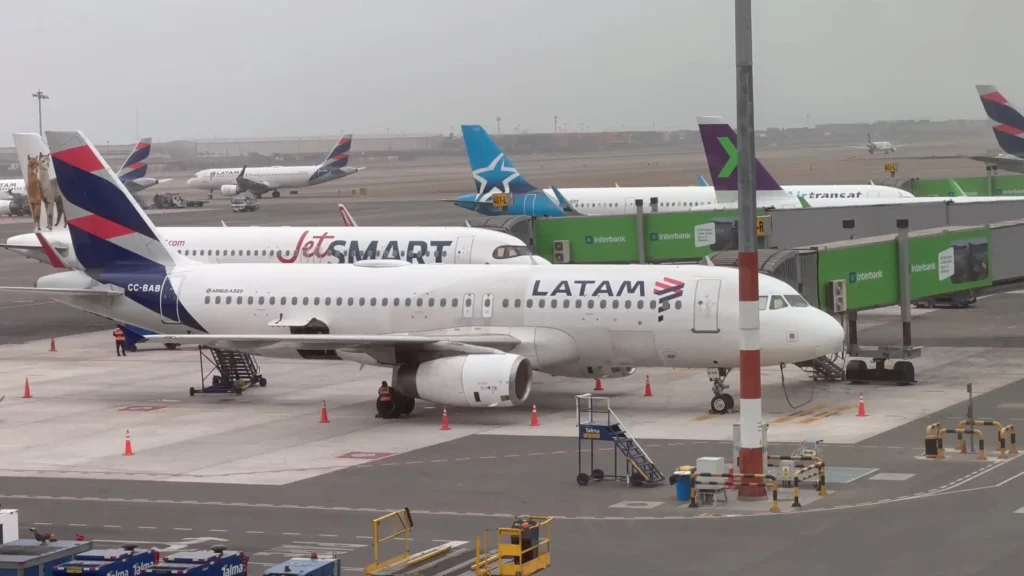
Airlines currently operating in the new terminal include LATAM, SKY Airline, JetSMART, as well as international carriers such as Iberia, KLM, Air France, American, Delta, United, Copa, and Avianca.
Security & Immigration
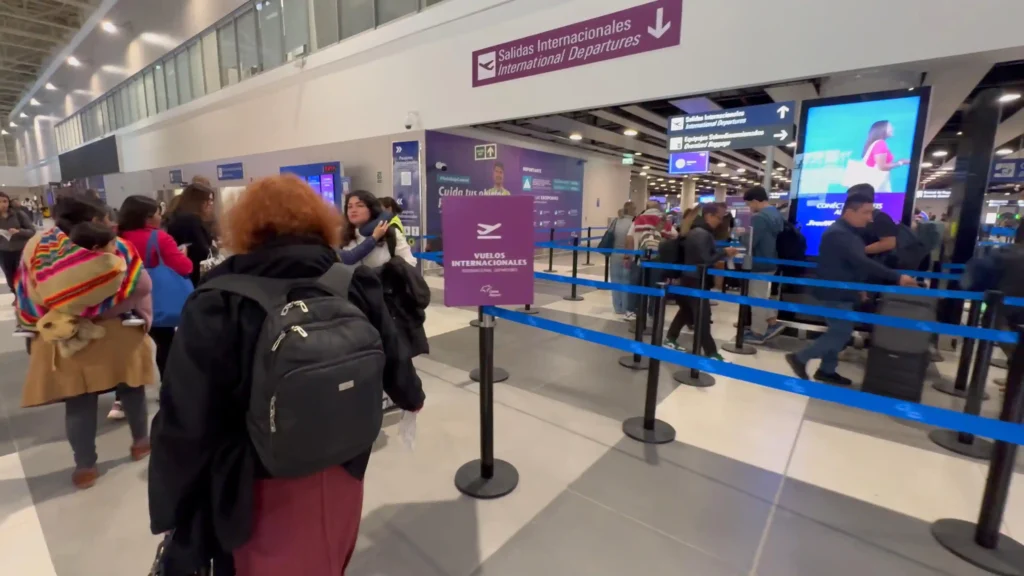
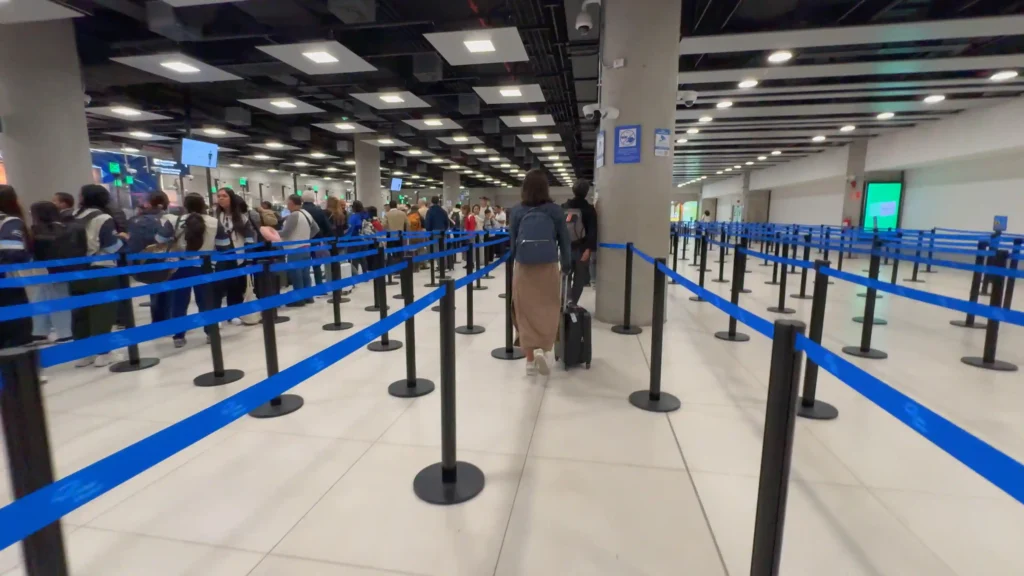
Security checkpoints are now wider and better organized, with modern scanners designed to handle far more passengers per hour. Depending on your passport, immigration can be significantly faster than before, especially during early morning and late-night long-haul waves. Not that there is no fast track for business class passengers.
Shops, Duty Free & Restaurants
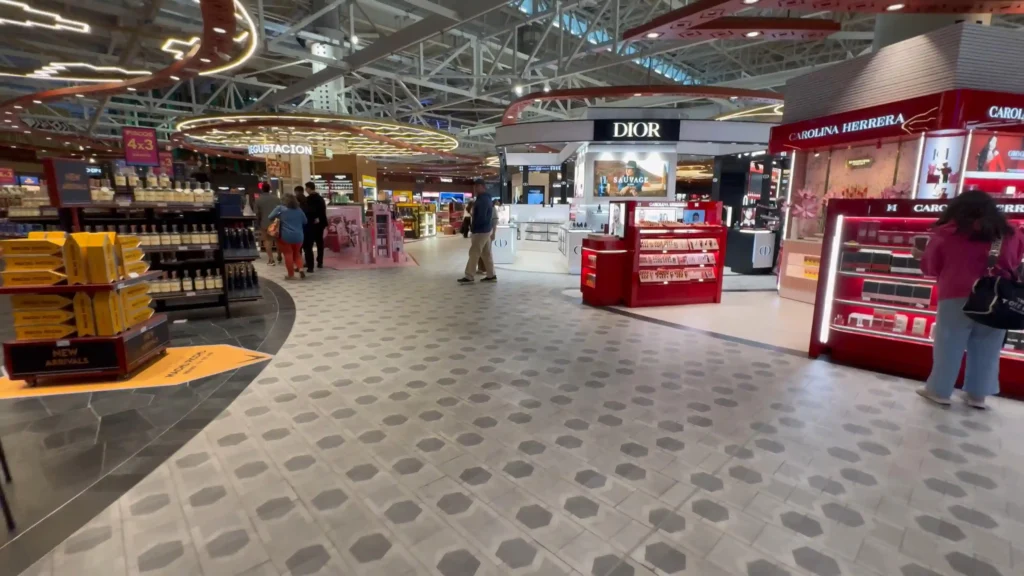
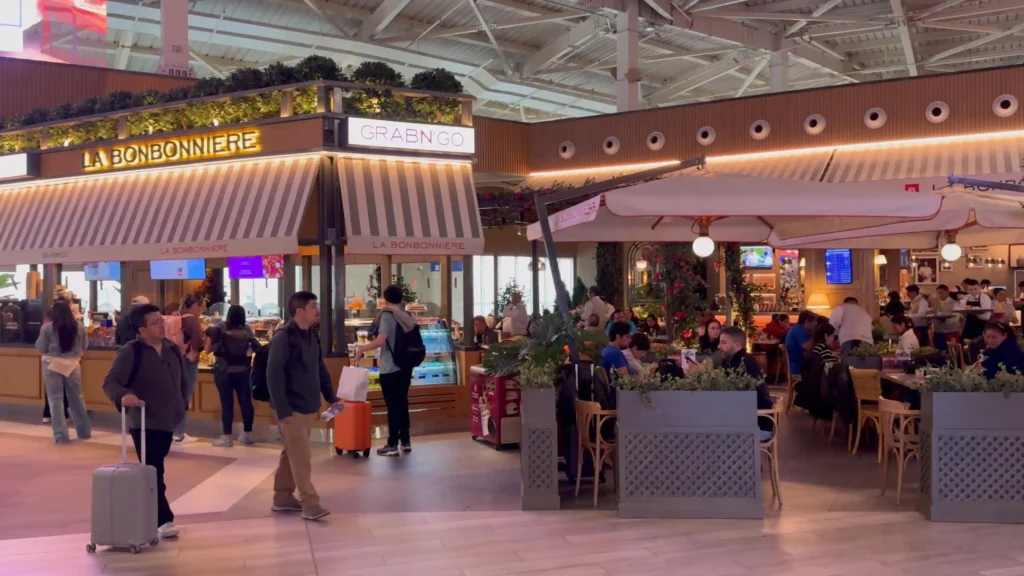
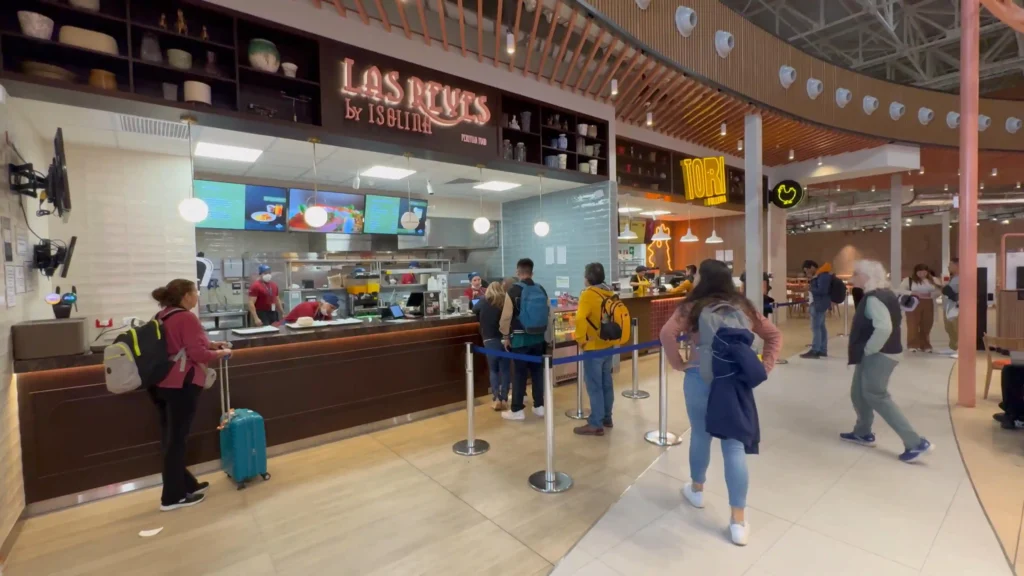
This is where the airport begins to feel proudly Peruvian. The commercial area mixes international brands with local Peruvian favorites — perfect for last-minute souvenirs or a taste of Peru before departure.
Some traveler favorites include:
🥟 Peruvian snacks and coffee bars
🎁 Handmade alpaca goods and artisan crafts
🍫 Local chocolate and cacao boutiques
🍷 Pisco and wine duty free selections
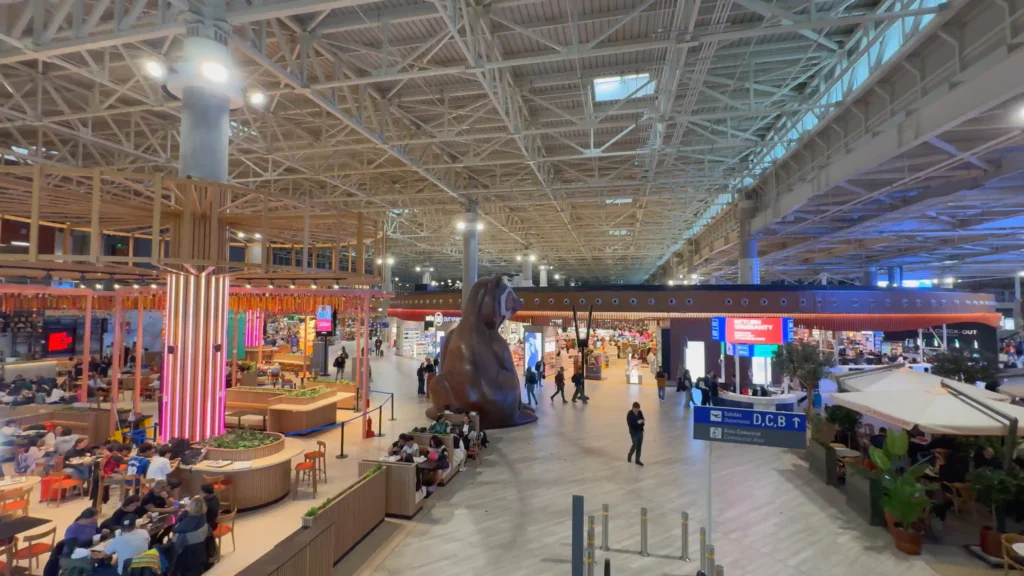
The dining options are expanding as more units open, but initial options include fast service counters, sit-down cafés, and Peruvian-inspired menus. At the moment you can even enjoy Pollo a la Brasa one last time before leaving the country!



Lounges: More Space for Long-Haul Comfort
With Lima being a key long-haul hub, lounges matter — and the new terminal finally treats them seriously. For the first time, LATAM has its own lounge at Lima Airport. Being a LATAM hub, it has been a real necessity!
Operating lounges include:
- LATAM VIP Lounge (main business lounge for long-haul LATAM passengers)
- The Club Lounge (for international business class and Priority Pass. Including business class passengers on Avianca, Air Europa, Iberia, KLM, Air France, Plus Ultra and Copa)





Gates & Boarding Areas
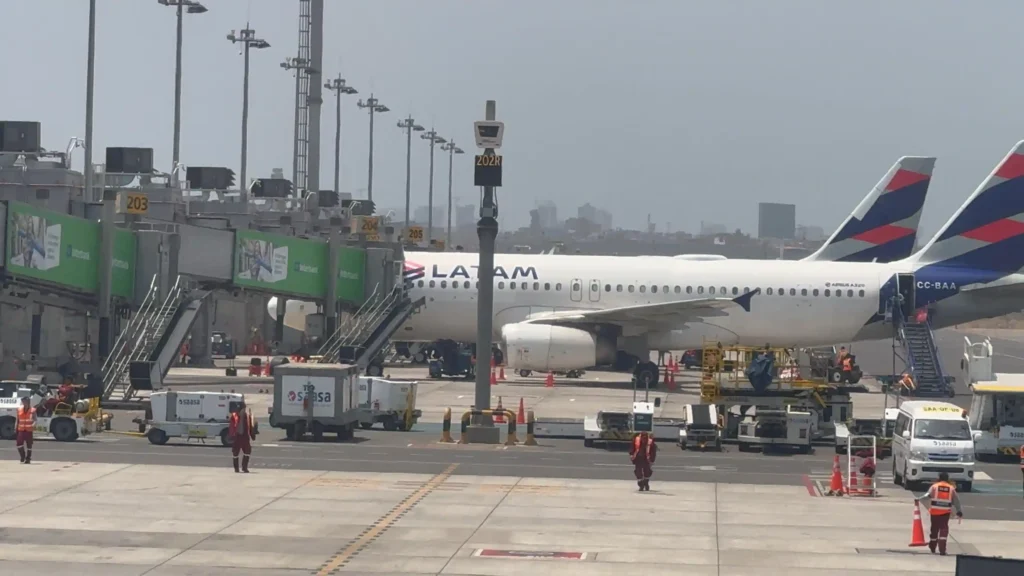
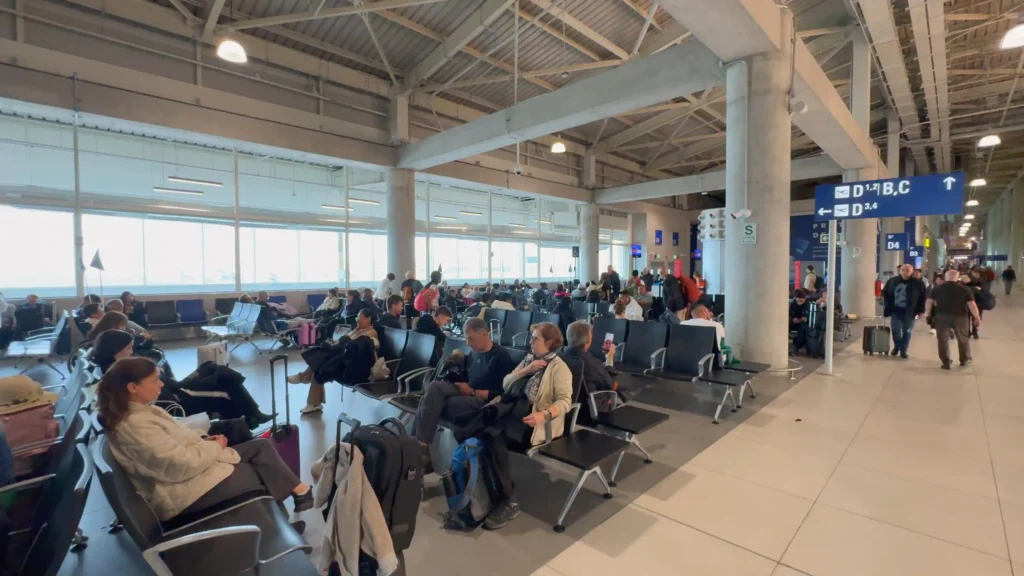
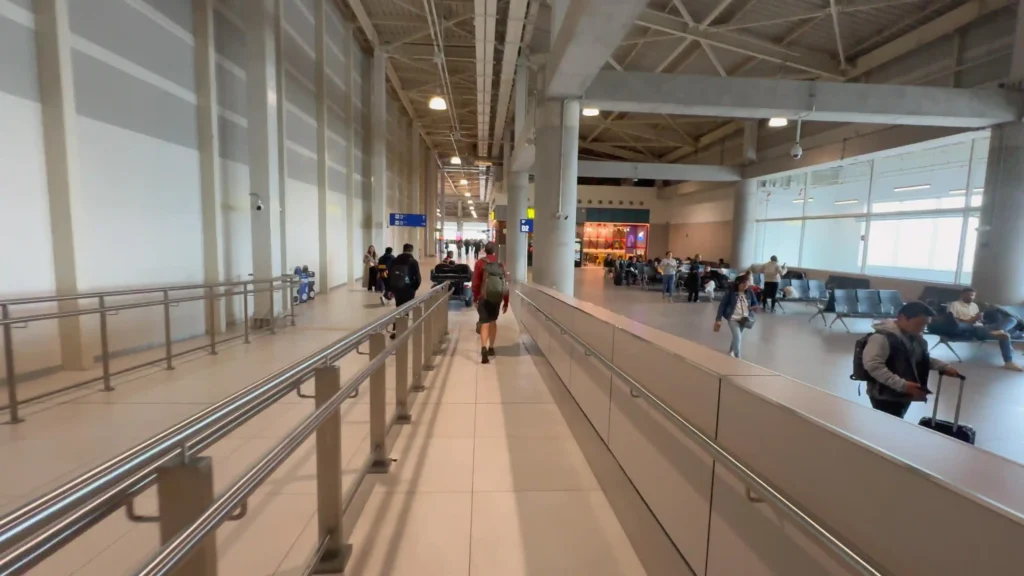
Boarding areas are brighter, quieter, and more comfortable with plenty of USB and standard charging outlets — something Lima travelers have begged for over a decade.
Expect:
🪑 More seating and better layout
🔌 Charging at nearly every seat cluster
📶 Faster airport Wi-Fi
📢 Clear flight information and boarding screens
Spotters and aviation fans will unfortunately not appreciate improved views, as for some reason windows are rare here..
Arrivals & Immigration Flow
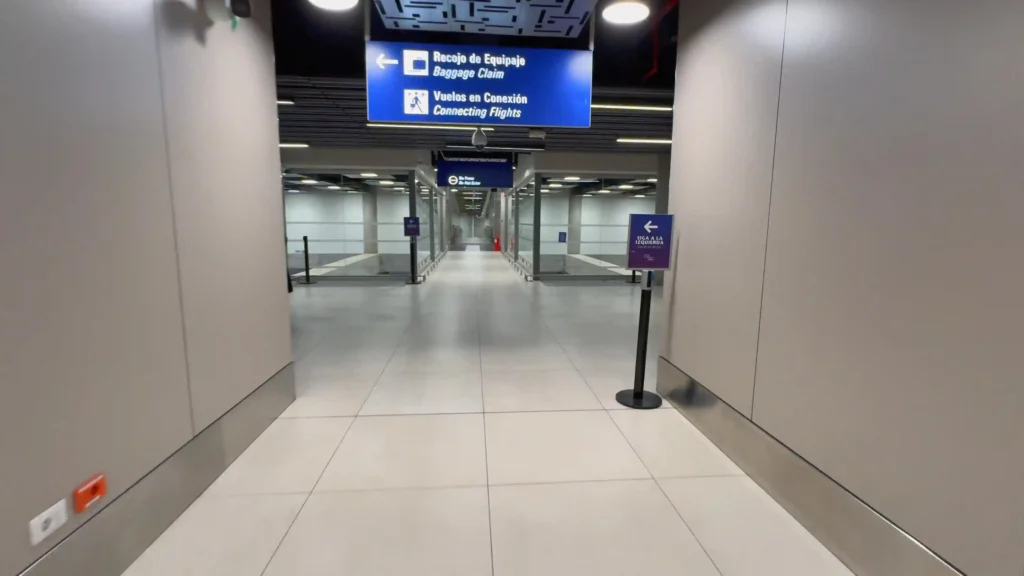
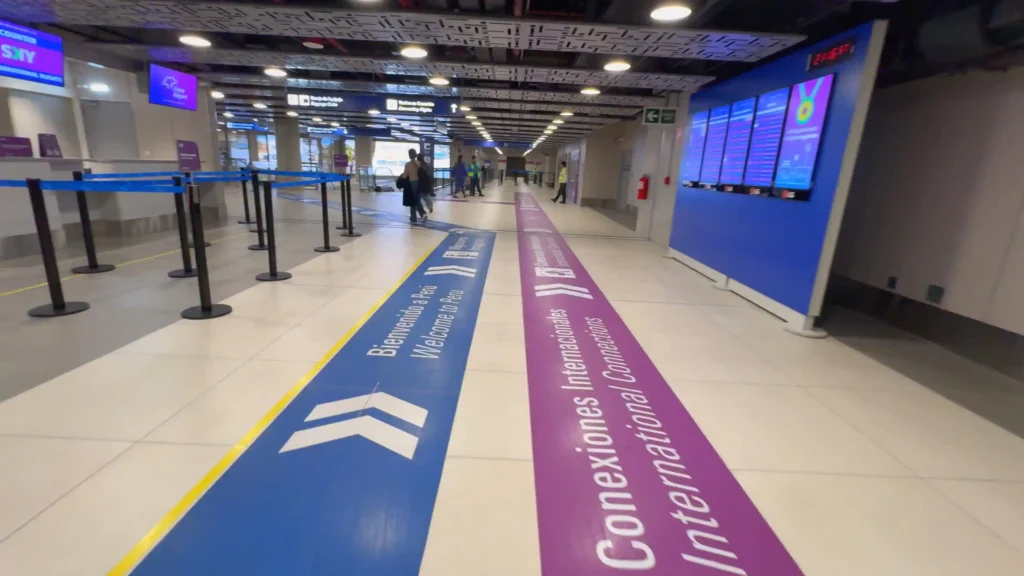
For inbound passengers, the arrivals hall is less chaotic and more intuitive, helping relieve the bottlenecks that defined the old terminal.
Key improvements include:
- Clearer separation between connecting and terminating passengers
- Additional immigration booths and e-gate expansion
- Shorter walking distances to baggage claim
Baggage Claim & Customs
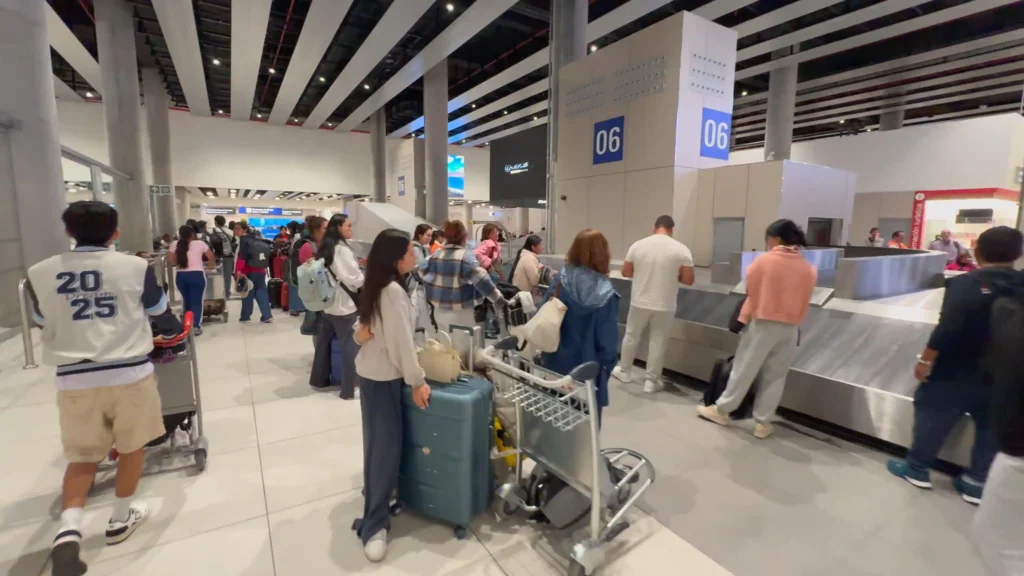
Baggage claim features wider carousels and improved belt distribution, helping reduce crowding during peak international waves.

How to Get To and From Lima’s New Airport
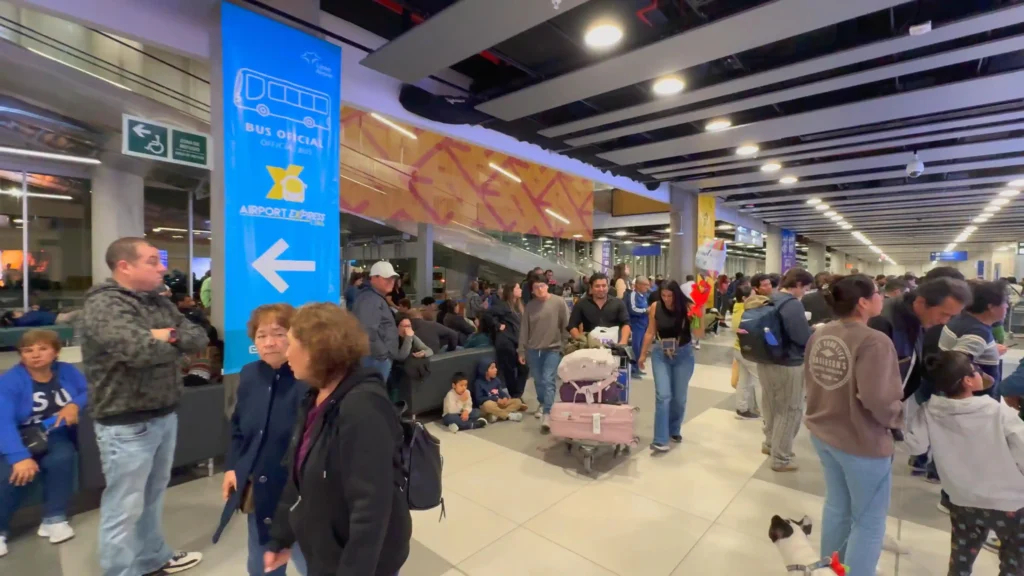
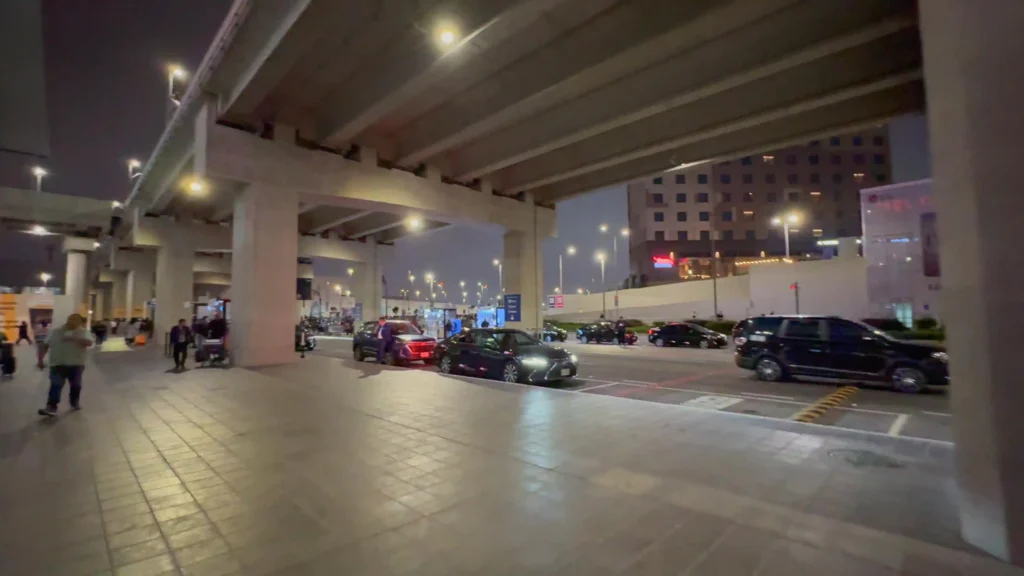
Getting from the new terminal at Jorge Chávez International Airport (LIM) to Lima is now more organized, but traffic can still be intense depending on the time of day. Peak hours in Lima is 7 am to 10 am and 5 pm to 8 pm. If you arrive or leave during these times, expect long travel times. Getting from Miraflores to the airport in the afternoon can even take up to 2 hours. So I can’t stress this enough: Plan to arrive sooner rather than later!
Another tip to follow is to NEVER accept rides offered by people approaching you inside the terminal or on the sidewalk. Do not use unofficial taxis. This is a known safety risk in Lima. Travelers should be aware that there are three recommended and safe transportation options:
1) Official Airport Taxis
This is the most comfortable and straightforward option, especially if you are arriving late at night or with luggage.
💵 Cost: Usually USD $20–$25 to Miraflores, San Isidro, or Barranco
⏱ Travel time: About 30–45 min in normal traffic; up to 60 min at peak hour
🚗 Official taxi companies operate inside the arrivals hall
2) Shuttle Bus (Budget-Friendly, Runs 24/7)
A very affordable way to reach the main tourist and hotel districts.
💵 Cost: Around USD $2 per person
⏱ Travel duration: About 1 hour, but during heavy traffic it can take up to 2 hours
🕐 Operating: Runs 24/7
📍 Stops include City Centre, Miraflores, San Isidro, and Barranco
3) Ride Apps: Uber, Cabify (Cheaper but Variable)
Ride-hailing apps are widely used in Lima and often cheaper than taxis, though prices fluctuate based on demand and time of day.
💵 Cost: Typically cheaper than $20, but varies
⏱ Speed: Usually similar timing to official taxis
📌 Pickups must follow designated procedures (important!)
📍 Step-by-Step: How to Take an Uber From the New Lima Airport
1️⃣ Ignore the confusing signs
Some signs tell you to go upstairs and exit near a specific door (often Door 9), but you don’t need to. Many travelers end up walking back down again.
2️⃣ Go to First Floor — International Arrivals
Exit the arrivals area and walk toward the furthest door to the right (as you face outside).
3️⃣ Cross to Parking Lot E2 (Uber Zone)
This is the official pickup location for ride apps, usually close to Door 3 in the parking area.
You can order:
- Uber
- Cabify


Traveler Tips for Using Lima’s New Airport
Whether you’re heading straight into Lima or connecting to Cusco, Arequipa, Iquitos, Trujillo, Juliaca or international destinations, these practical tips will help you start your trip smoothly and safely.
1) Safety First: Transport Tips You Should Know
Lima is an exciting city, but as in many large capitals, airport transportation comes with risks. Follow these essential safety rules:
🚫 Do NOT accept rides from unofficial taxi drivers
You may be approached by individuals offering low-cost rides. Politely decline — some scams and safety incidents have been reported.
✔ Use only:
- Official airport taxis
- Ride apps (Uber, Cabify, DiDi, InDriver)
- Shuttle buses serving Miraflores, San Isidro, Barranco, and City Centre
⏱ Travel times vary greatly depending on traffic:
- Peak hours (7:00–10:00 & 17:00–20:30): 45–90+ minutes
- Low traffic: 25–45 minutes to most tourist districts
2) Overnight Connections? Stay at the Airport Hotel
If your layover extends until the next day or you arrive very late, staying near the terminal is a smart choice.
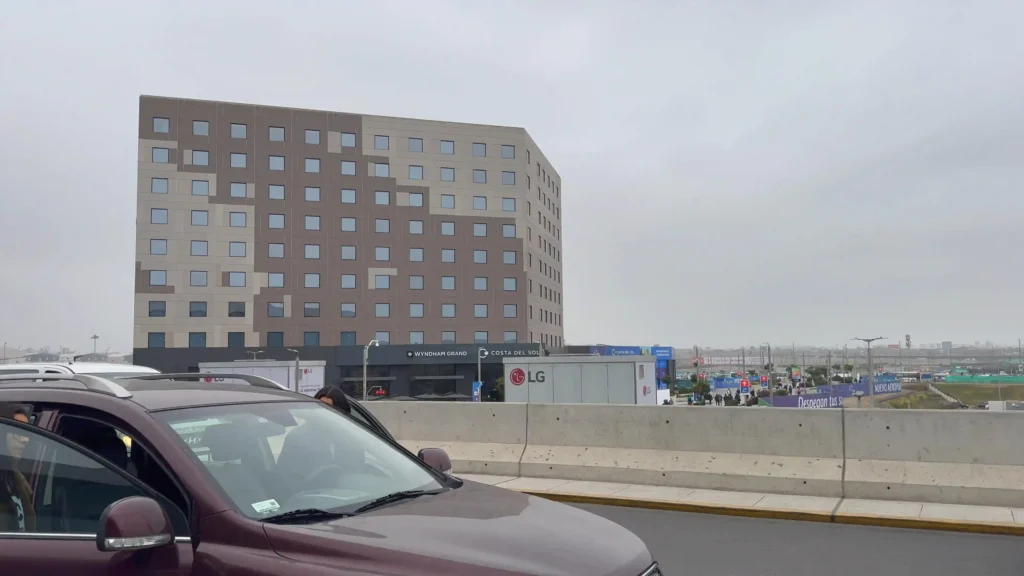
🏨 Wyndham Costa del Sol Lima Airport Hotel
Located directly outside the arrivals hall, just steps from the terminal entrance. Ideal if:
- Your flight to Cusco or another region is early the next morning
- You want zero stress with Lima traffic
- You’re traveling with family or a lot of luggage
3) Where to Stay in Lima (Recommended Areas)
For the best experience in Lima, especially for first-time visitors, choose one of the following safe and high-quality districts:
Miraflores
Coastal parks, one of the safest areas for tourists, excellent restaurants and cafés, ocean views, and a wide range of hotels from luxury to budget.
San Isidro
Lima’s financial district with luxury hotels, quiet residential streets, embassies, and some of the best dining options in the city.
Barranco
A cultural and bohemian neighborhood known for art galleries, nightlife, live music, beautiful ocean sunsets, and boutique-style hotels.
These areas offer:
🌿 Green parks & coastal walking paths
🍽 Some of the best restaurants in the world (Central, Maido, Kjolle, etc.)
🏨 Luxury hotels + excellent mid-range and budget options
🚶 Very walkable and generally safe, even after dark in most zones
🚫 Where Not to Stay: Historic City Centre (Centro Histórico)
While the colonial architecture is beautiful for sightseeing, staying there is not recommended for most travelers, especially at night.
⚠ Higher risk of:
- Pickpocketing and petty theft
- Protests and demonstrations
- Safety concerns after dark
Peru’s political situation is unstable, and protests can happen without warning, particularly in central areas.
💡 Tip: Visit the Centro Histórico by day with caution, but base your stay in Miraflores, San Isidro, or Barranco.
Conclusion: A New Gateway for Peru — and a Future Global Hub
Lima’s new airport terminal is more than just a modern building; it marks the beginning of a new chapter for Peruvian aviation and tourism. After years of complex planning, delays, and a uniquely Peruvian mix of public–private coordination challenges, the country finally has an airport that reflects its importance on the world stage.
And despite the imperfect start — including temporary access roads and a metro connection still tied to the old terminal — the potential here is enormous. With the planned Lima Airport City, complete with convention centers, hotels, and a logistics hub, plus the upcoming direct highway access to Costa Verde, this airport is on track to become one of the most strategic aviation hubs in the Americas.
I genuinely love the new airport. It feels modern, ambitious, and long overdue. For travelers heading to Lima, on to Cusco, Arequipa, Iquitos, Trujillo, or across South America and beyond, it will make connections easier, travel more comfortable, and Peru more globally connected than ever before.
A better passenger experience has finally arrived — and this is just the beginning.